Why You’re Still Tired After 8 Hours of Sleep
Eight hours in bed may not mean restorative sleep. Explore sleep quality, daily patterns and symptoms worth discussing with a clinician.

Published ·3.5 min read
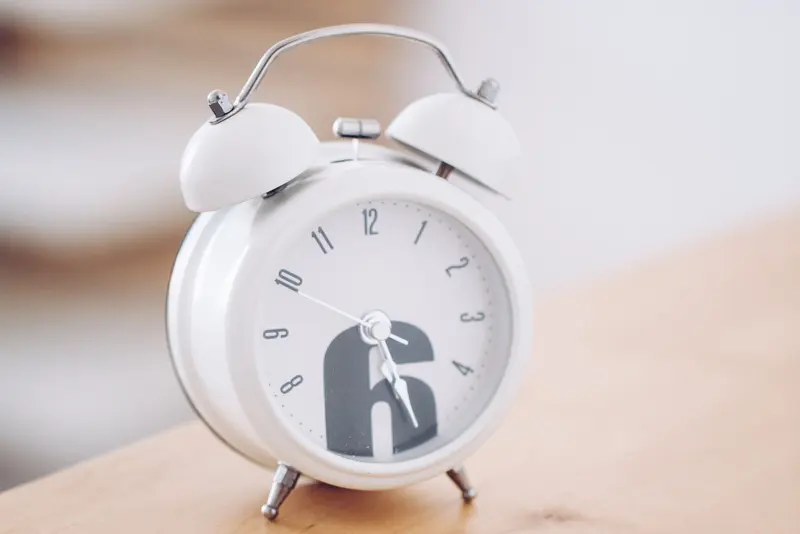
Eight hours on the clock does not prove that you had eight hours of restorative sleep. Repeated awakenings, irregular timing or an underlying health problem can leave you tired. Sleep needs also vary: eight hours is not a universal pass mark. CDC distinguishes sleep duration from sleep quality. [1]
Start by describing the problem more precisely. Is it a slow first few minutes, a tendency to doze at your desk, or a lack of energy that lasts through the day? Those descriptions are more useful than deciding that you need a stronger coffee.
Count the night you had, not just the time in bed
A phone put down at midnight and an alarm at eight leave eight hours in bed. They do not tell you how long falling asleep took, whether you were awake between those times, or whether the number reflects a typical night. Keep these as separate entries in your notes.
Noise, light, stress and sleep disorders can interrupt sleep; some awakenings are not remembered. Alcohol may also fragment the night. Cleveland Clinic explains why the quality of a long night can still be poor. [2]
| What you notice | What to take a closer look at |
|---|---|
| Bedtime changes markedly across the week | Workdays, weekends and the practical reason for the difference. |
| You wake repeatedly | Noise, interruptions and symptoms worth describing at an appointment. |
| Late drinks are part of the routine | Caffeine timing, alcohol and how the night actually went. |
| Tiredness lasts well beyond getting up | Its effect on work, concentration and ordinary activities. |
The table organises observations; it cannot identify a cause. Choose the schedule guide if timing is the main issue, or the caffeine guide to examine the drinks pattern.
Brief grogginess and ongoing fatigue are different concerns
Sleep inertia is the temporary grogginess after waking. Attention and performance can be reduced during that transition. Give yourself time before safety-critical tasks rather than assuming that opening your eyes means you are fully alert. [3]
For organising the first part of the day, see morning energy. Persistent fatigue deserves its own attention. MedlinePlus describes fatigue as a symptom with many possible physical, psychological and lifestyle causes, including medicines. [4]
A useful diary also leaves space for stress, recent illness and what a mostly indoor, inactive day looked like. These are conversation prompts, not proof that lack of daylight or exercise caused your symptoms. Do not add a demanding workout simply to test whether you can overcome the tiredness.
Signs to discuss with a clinician
Loud snoring, witnessed pauses in breathing or gasping, and marked daytime tiredness warrant assessment for possible sleep apnoea. A partner's observations may help; they are not a diagnosis. [5]
Arrange a consultation if unexplained tiredness has lasted a few weeks, affects daily life, or accompanies changes such as unintentional weight loss or mood symptoms. NHS guidance includes anaemia, diabetes and thyroid problems among possible causes; which tests are appropriate depends on the assessment. [6]
Bring your timeline, sleep notes, medicines and the activities you are struggling with. Do not start iron, hormones or an “energy” supplement based on this list. Our sleep and testosterone article addresses that narrower question; this symptom alone does not tell you a hormone result.
Decide what happens next
If the problem is a clearly disrupted week, write down one practical change and observe it. If tiredness is persistent, worsening or making ordinary life difficult, book the appointment rather than setting yourself another sleep challenge. The Sleep & Energy collection can help you organise questions, but it cannot replace an assessment.
Sources
- CDC. About Sleep. Publication date not provided. Accessed: 2026-09-23.
- Cleveland Clinic. 6 Reasons Why You Wake Up Tired, Even After a Long Night’s Sleep. Publication date not provided. Accessed: 2026-09-23.
- CDC / NIOSH. NIOSH Training for Nurses — Sleep Inertia. Publication date not provided. Accessed: 2026-09-23.
- MedlinePlus, NLM. Fatigue. Publication date not provided. Accessed: 2026-09-23.
- NHS. Sleep apnoea. Publication date not provided. Accessed: 2026-09-23.
- NHS. Tiredness and fatigue. Publication date not provided. Accessed: 2026-09-23.
Keep exploring
A little more perspective.
How to Fix Your Sleep Schedule: A Practical 7-Day Reset
Build a steadier sleep schedule with a practical seven-day plan. Set a realistic wake-up time, review evening habits and know when to seek help.
4 min read ↗
Caffeine and Sleep: How Late Is Too Late?
Choose a caffeine cutoff around your bedtime, serving sizes and sensitivity. What the six-hour study means, and how to review coffee, tea and energy drinks.
3.5 min read ↗
How to Wake Up With More Energy in the Morning
Make mornings less rushed with sleep regularity, daylight and practical food, drink and movement choices. No instant fixes or supplement promises.
3.5 min read ↗