Razor Burn and Razor Bumps: A Gentler Shaving Routine
Review your shaving routine, distinguish irritation from possible ingrown hairs, and learn which symptoms need medical advice. No miracle-product promises.

Published ·4.5 min read
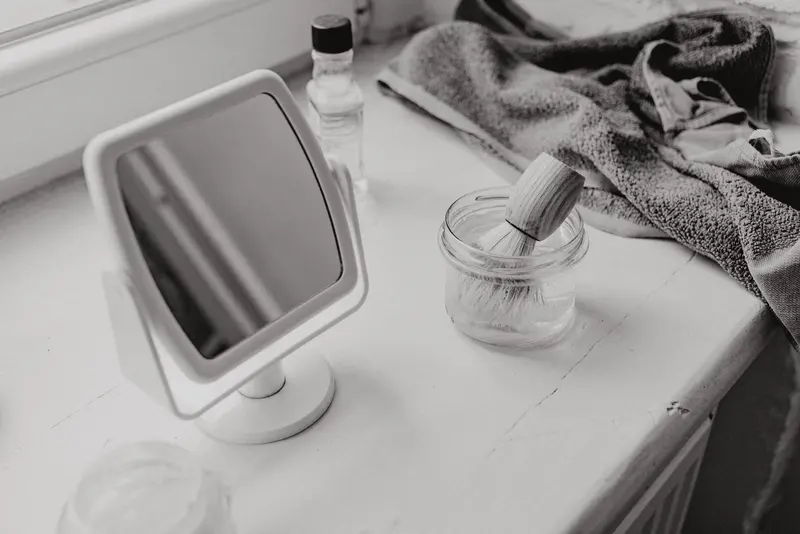
To make shaving gentler, start with the process: soften the hair, use a suitable shaving cream or gel, follow the direction of growth and avoid repeatedly working over the same patch. A closer result is not always worth another pass. These are prevention measures, not a diagnosis or a guaranteed cure. [1]
Burning skin and raised bumps after shaving are not necessarily the same problem. Choose the next step by what is happening, rather than buying a stronger aftershave for everything.
Irritation is not the same as an ingrown hair
| What you notice | What it may suggest | What not to assume |
|---|---|---|
| Burning or tenderness after shaving | Razor burn can be irritation from shaving. | More shaving or an alcohol splash will “toughen up” the skin. |
| Itchy raised bumps, sometimes with a visible trapped hair | An ingrown hair is one possibility. | Every bump contains a hair you should dig out. |
| Acne-like spots around follicles | Folliculitis can look similar to acne. | A photograph or this table can diagnose the cause. |
The distinctions above come from Cleveland Clinic, NHS and AAD guidance. Several conditions can look alike; persistent or worsening changes deserve assessment rather than a home diagnosis. [5] [3] [4]
Check the routine before changing the product
Use this as a review of your usual wet shave, not a reason to add every item in a grooming aisle. For an electric device, follow its own instructions, including whether it is intended for wet or dry use.
| Stage | Practical check | Habit to reconsider |
|---|---|---|
| Prepare | Wet the skin and hair; shaving after a shower can help soften them. | Starting on dry skin in a hurry. |
| Lubricate | Use shaving cream or gel; look for a sensitive-skin option if appropriate. | Repeated bare-blade passes. |
| Direction | Notice which way the hair grows in each area and shave with it. | Assuming neck hair follows the same direction as the cheeks. |
| Blade | Rinse during use and store it somewhere dry. | Leaving a clogged blade in a wet shower. |
These checks follow the AAD's shaving guidance. A tool that pulls or feels damaged is a reason to stop and inspect it, not to press harder. [1]
A small map is more useful than a perfect shave
Before your next routine shave, look at the direction of visible stubble along each cheek, the jaw and the neck. Mentally divide the job into those areas instead of treating the whole face as one downward stroke. You can keep a simple note of which area tends to be uncomfortable and what you did there.
Do not turn the note into a diagnosis: “neck felt sore after repeated passes” is an observation; “allergic to this ingredient” is a medical conclusion you have not established. Bring recurring patterns and the products you use to a clinician if needed.
If you already have irritation or bumps
For razor burn, pause shaving the affected area while it settles; a cool damp cloth may soothe it. Avoid fragranced or alcohol-containing products that irritate the area. If symptoms persist for more than a few days or worsen, seek medical advice. [5]
With possible ingrown hairs, do not pick, squeeze or dig. NHS guidance advises avoiding a very close shave; leaving some stubble can help. That is different from trying to remove a visible trapped hair with a needle. [3]
Before the next shave
- Has the irritated area settled, or am I about to work over it again?
- Can I leave the result less close instead of repeatedly correcting it?
- Is the tool clean and ready according to its instructions?
- Are recurring bumps a reason to book advice rather than try another product?
Should you shave less often?
There is no single schedule here for every man. NHS advice on ingrown hairs and AAD advice on razor bumps differ on frequency. Do not combine those pages into a universal daily rule. Recurrent bumps, your hair pattern and the way you shave are useful things to discuss with a dermatologist. [3] [2]
If your aim is maintaining a beard rather than removing it close to the skin, beard trimming is a separate task. Buying a new set of tools is also separate from treating a skin problem; our grooming-kit guide helps you identify what you actually need.
When to get medical help
Seek medical advice if an area is very painful, hot or swollen, or if you feel feverish, shivery or generally unwell. Do not wait for a grooming experiment to resolve those symptoms. Persistent razor bumps also warrant professional assessment. [3] [2]
This guide does not prescribe antibiotics, steroid creams or acids. An appropriate treatment depends on the cause, which cannot be established from a generic shaving checklist.
A comfortable routine matters more than a last-minute cosmetic target. If the occasion is a first date, preparing for the conversation is a different, more useful task than chasing a perfectly smooth finish. See the Appearance collection.
Sources
- American Academy of Dermatology. Hair removal: How to shave. Publication date not provided. Accessed: 2026-09-29.
- American Academy of Dermatology. 6 razor bump prevention tips from dermatologists. Publication date not provided. Accessed: 2026-09-29.
- NHS. Ingrown hairs. Publication date not provided. Accessed: 2026-09-29.
- American Academy of Dermatology. Acne-like breakouts could be folliculitis. Publication date not provided. Accessed: 2026-09-29.
- Cleveland Clinic. Razor Burn. Publication date not provided. Accessed: 2026-09-29.
Keep exploring
A little more perspective.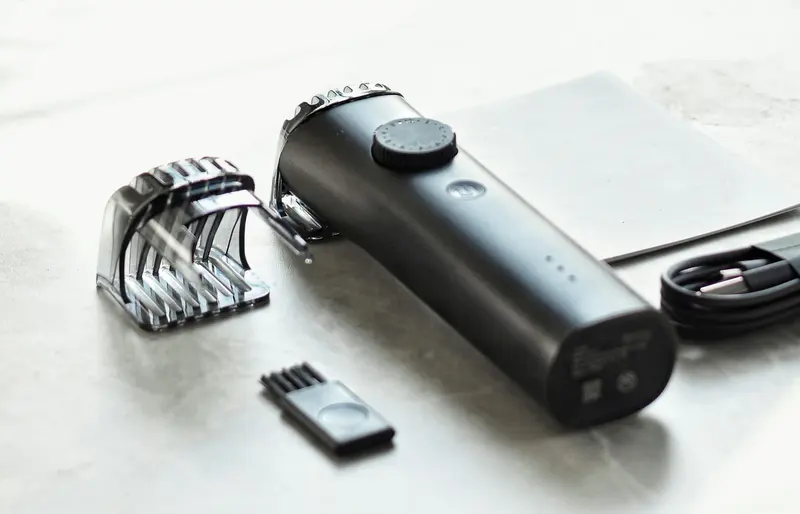
How to Trim a Short Beard at Home: Neckline and Mistakes
Trim a short beard at home with a longer guard, check both sides and shape the neckline last. Includes length guides and ways to handle an uneven trim.
11.5 min read ↗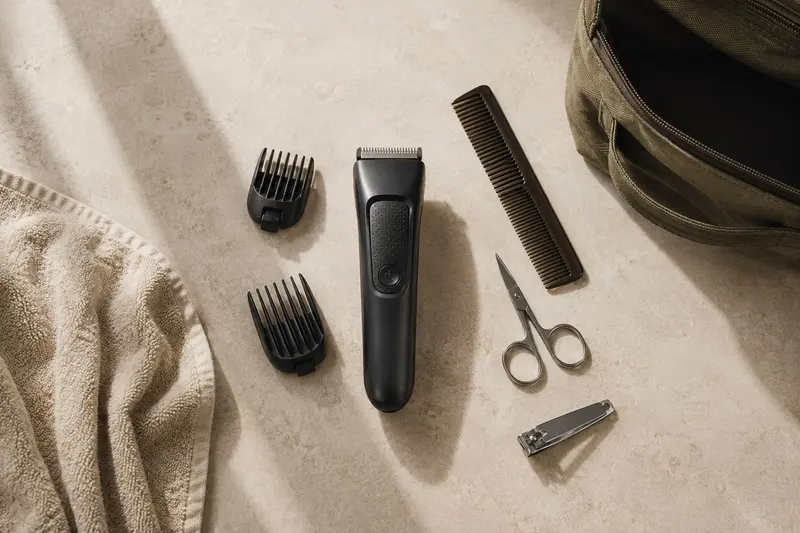
Men’s Grooming Kit Essentials
Build a practical grooming kit around your beard and hair routine. Compare useful attachments, cleaning requirements and full purchase costs before buying.
4.5 min read ↗
First-Date Conversation: Topics, Follow-Ups and Awkward Pauses
Find something worth talking about on a first date: practical topics, follow-up examples, ways to handle silence and boundaries without an interview.
5.5 min read ↗