How Sleep Affects Testosterone and Sexual Health
Explore sleep, hormone measurement and sexual wellbeing, including breathing-related symptoms and questions to discuss with a qualified clinician.

Published ·3 min read
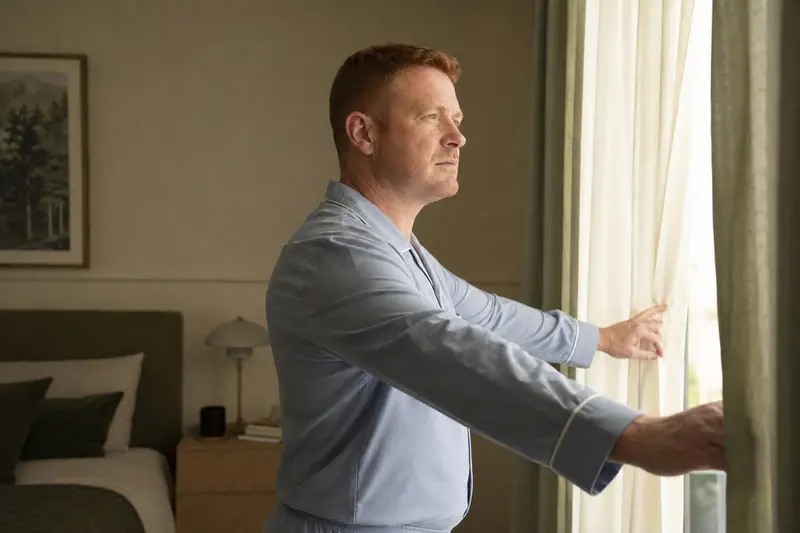
A tired morning does not tell you your testosterone level. When sleep and sexual wellbeing both change, it is more useful to describe the pattern than to assume that a hormone is the only explanation.
Our earlier sleep guide covers everyday routines and test timing. This article focuses on sexual-health concerns, possible sleep-disorder clues and how to prepare a useful clinical conversation.
Sleep supports more than energy
NHLBI describes sleep as important to physical health, including hormonal regulation and reproductive functions. This is not a promise that extra sleep will correct a sexual problem. [1]
Ask yourself what has changed: time available for sleep, repeated waking, shift patterns or daytime sleepiness. Keep a short description of a typical working day and a day off. Include the disruption you actually experience rather than aiming for a perfect-looking diary.
Hormone measurements need context
Testosterone varies through the day, and an abnormal result may need repeating under appropriate conditions. [2]
Tell the clinician about your schedule
If you work nights or sleep at unusual times, explain that before a test is arranged. Ask when sampling should take place for your circumstances. Do not translate a generic “morning” instruction into an improvised schedule without checking with the clinician or laboratory.
Notice breathing-related clues
Sleep apnoea can involve loud snoring, interrupted breathing, daytime sleepiness and reduced libido or sexual dysfunction. Symptoms require assessment rather than diagnosis from an app. [3]
If someone has noticed breathing pauses, tell the clinician what they observed. You do not need a recording to ask for help. A wearable's sleep score should not replace the description of symptoms or a clinical decision about investigation.
Persistent sleep problems deserve their own care
The NHS advises seeking help when insomnia affects daily life or continues despite changes in sleep habits. [4]
Keep goals realistic
A sleep consultation can focus on sleep itself. You do not need to frame every improvement as a testosterone project. Ask what is being assessed, how treatment will be reviewed and which changes should prompt another appointment.
Why “boosting testosterone” is the wrong shortcut
The Endocrine Society requires compatible symptoms and consistently low measurements for hypogonadism diagnosis. Symptoms alone are insufficient. [5]
Do not begin hormones or a product marketed as a booster because an online questionnaire links tiredness with low testosterone. Bring any product you are considering into the consultation. Discuss the concern first, including whether hormone investigation is relevant at all.
Prepare one joined-up account
Note when sleep changed, when sexual concerns began, what medicines you use and what you want help with first. Ask whether the same clinician can coordinate the next steps or whether a sleep service is appropriate. Keep the plan understandable: what happens now, what requires testing and who follows up.
Further reading
Sources
- NHLBI / NIH. Sleep Deprivation and Deficiency - How Sleep Affects Your Health. Publication date not provided. Accessed: 2026-09-07.
- Endocrine Society. Reproductive Hormones. Published/updated: 2022-01-24. Accessed: 2026-09-07.
- NHLBI / NIH. Sleep Apnea Symptoms. Published/updated: 2025-01-09. Accessed: 2026-09-07.
- NHS. Insomnia. Publication date not provided. Accessed: 2026-09-07.
- Endocrine Society. Testosterone Therapy for Hypogonadism Guideline Resources. Publication date not provided. Accessed: 2026-09-07.
Keep exploring
A little more perspective.
Testosterone Levels in Men: What Is Considered Normal?
Make sense of testosterone reference ranges, total and free measurements, repeat testing and why a laboratory result is not a treatment target.
3 min read ↗
Common Causes of Low Libido in Men
Explore common reasons for reduced desire, the limits of hormone assumptions and useful questions for a clinician about a change in your sex drive.
3 min read ↗
How Stress Can Affect Male Sexual Performance
Understand how stress and sexual concerns can overlap, why physical causes still matter and how to prepare a conversation without blame or pressure.
3 min read ↗