How to Keep a Strength Training Log: Record and Compare
Record actual sets, reps, load units, effort and useful context. A fictional workout log and comparison table show what changing numbers can — and cannot — tell you.

Published ·5.5 min read
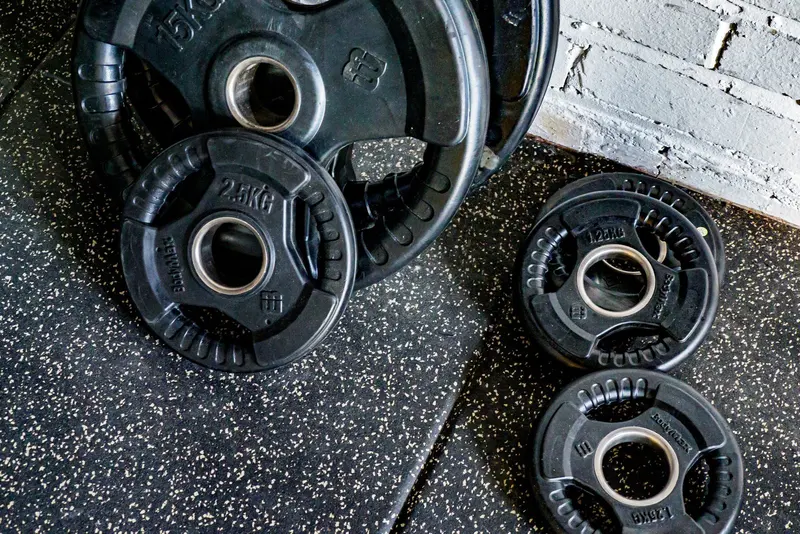
Keep a strength training log by recording what you actually did: the exercise variation, load and unit, and repetitions in each completed set. Add a short effort or context note when it helps explain the record. Use the same naming and load conventions next time so the two entries can be compared.
This is a recordkeeping guide for your existing training, not a program or a recommendation about exercises, weights or frequency. Its sample numbers are fictional. A log can show that a result changed; it cannot establish why, diagnose a problem or guarantee muscle growth.
Start with fields you can use consistently
Mayo Clinic's exercise-log instructions include exercise names, machine settings, dates, sets, weight and repetitions. The clinic's worksheet is one example of keeping the setup alongside the result. The template below is Qerano's own format, not a copy of that worksheet or its exercise prescription. [1]
| Record | Make it unambiguous |
|---|---|
| Date and session | Use an actual date; note duration if it helps organize your time. |
| Exercise / variation | Include the grip, machine or variation when these change what you did. |
| Completed sets and reps | Record each set's actual reps: “10, 9” is different from a planned “2 × 10.” |
| Load and unit | Write kg or lb. Specify total bar load, per dumbbell, or the machine's stated setting. |
| Effort | Optional short description, such as “last rep slower.” Use it consistently; it is subjective. |
| Rest | Note measured or estimated time and which it is, especially if it differs between sessions. |
| Notes | Changed equipment, seat setting, shortened movement or an interruption that affects comparison. |
Separate warm-up sets from the sets you intend to compare. You can label them “warm-up” in the same record instead of quietly including them in one session and excluding them from another. Do not record a planned set as completed when it was skipped.
A machine's displayed load is a record of that machine's setting. It does not establish equivalence with another machine, a free weight or a resistance band. For bands, note the identifiable band and setup rather than inventing a kilogram equivalent. Our bands-versus-dumbbells guide covers that equipment choice separately.
Read a filled session without treating it as a workout
Fictional recording example: 6 October 2026, 18:00–18:35, gym. Warm-up recorded separately. The three exercises, loads, reps and rests are invented to explain notation; they are not targets to copy or a complete training plan.
| Exercise | Completed sets | Reps by set | Load convention | Effort note | Rest | Context |
|---|---|---|---|---|---|---|
| Seated row, machine A | 2 | 10, 9 | Displayed 25 kg | Second set's last rep slower | About 2 min, estimated | Seat 4; same handle both sets |
| Dumbbell floor press | 2 | 8, 8 | 6 kg per dumbbell | Similar effort in both sets | 2 min, timed | Same pair used throughout |
| Goblet squat | 2 | 10, 10 | One 8 kg dumbbell | Second set felt harder | About 2 min, estimated | Final set interrupted briefly |
The row records 19 repetitions, not 20. The floor-press load is the weight of each dumbbell, not 6 kg shared across both. “About 2 min” is not an exact timer reading. These small distinctions matter more for a usable record than an elaborate dashboard built on ambiguous entries.
If an unusual discomfort occurs, describe where and during what movement it happened in plain terms; do not assign a diagnosis or reinterpret it as a successful effort score. This guide cannot decide whether an activity should continue or what treatment is appropriate. The entry is information you can show a qualified professional, not medical clearance.
Compare the same exercise under similar conditions
A higher number can represent more reps, a heavier stated load, another set or simply a different measurement convention. Establish what changed before calling it progress.
The following pairs are fictional examples, using the same row machine, seat and handle unless a change is stated. They describe records, not instructions for the next session.
| Earlier record | Later record | What the entries show | What they do not establish |
|---|---|---|---|
| 25 kg: 10, 9 reps | 25 kg: 10, 10 | One more recorded rep at the same stated load. | That every future session should add a rep. |
| 25 kg: 10, 10 | 30 kg: 8, 8 | Higher stated load and fewer reps. | A simple better/worse verdict, or a suitable load for you. |
| 25 kg: 10, 9 | 25 kg: 10, 9 | Stable recorded load and reps. | That nothing else changed; check effort, rest and execution notes. |
| 25 kg: 10, 9 | 25 kg: 8, 7; shorter rests | Fewer recorded reps with different rest conditions. | A diagnosis of fatigue, injury or a failed program. |
| Machine A: 25 kg | Machine B: displayed 25 kg | Equipment changed. | An equivalent resistance or directly comparable result. |
Technique and movement notes can change the interpretation too. More reps recorded with a shortened movement are not automatically the same task performed better. Repeated lower entries are a reason to review the context and seek appropriate guidance if needed, not a basis for diagnosing the cause from a graph.
Choose paper, a spreadsheet or an app for the same job
Paper works offline and avoids phone entry, but needs storage and a way to find earlier sessions. A spreadsheet makes sorting and corrections straightforward if you want to maintain it. An app may make past sets easier to retrieve, but check editing, export, privacy, subscriptions and whether it lets you record your actual activity without forcing a different program. The fitness-app guide discusses that purchase decision.
You do not need calorie estimates, an injury prediction or every possible metric to compare a few sets. Optional fields earn their place when you use them. If notes expand into a long narrative after every exercise, keep the relevant change and leave the rest out.
Prepare one blank entry before your next already planned session. Fill in actual results, mark anything missing rather than guessing, and check the previous matching exercise before interpreting a change. In a shared gym, record your notes without occupying equipment while you edit; see gym etiquette for beginners. The broader Weight & Fitness section covers other routines and choices.
Sources
- Mayo Clinic. Strength Training for Adults — MC2972. Publication date not provided. Accessed: 2026-10-07.
Keep exploring
A little more perspective.
Resistance Bands vs Dumbbells for Home Workouts
Compare storage, setup, progression and purchase checks for resistance bands and dumbbells. Choose equipment around your home routine, not a universal winner.
3.5 min read ↗
Best Fitness Apps for Men in 2026: 6 Options Compared
Which fitness apps are actually worth using? Compare Strong, Hevy, Fitbod, Nike Training Club, Ladder and Strava by goals, free features and limitations.
12.5 min read ↗
Gym Etiquette for Beginners: Sharing the Space Well
Learn how to ask about equipment, take turns, leave a station ready and respect filming rules. Practical gym etiquette without pretending to know every machine.
4.5 min read ↗