What to Pack in a Gym Bag: A Checklist for Your Actual Day
Pack for training, a shower or going straight to work. A conditional checklist separates essentials, club-supplied items and the things you can leave at home.

Published ·5.5 min read
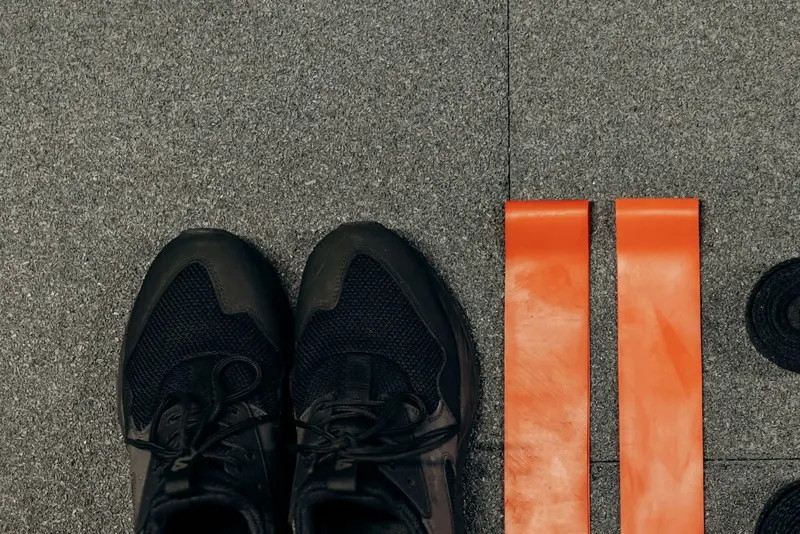
Pack your gym bag for the whole trip: entry, training, any shower, and where you go afterwards. A basic starting set is suitable training clothes and shoes, the access method your club uses, a towel if required and a water bottle. Add shower items and clean clothes if you need them; check what the club supplies before carrying duplicates.
You do not need a product for every item on a long gym list. This guide is about packing and organizing belongings, not prescribing exercise, supplements or a quantity of water. The cover illustrates footwear and accessories; it does not make bands, straps or weights essential purchases.
Check the club before you check the bag
PureGym's packing guide lists a phone, padlock, towel, bottle and optional shower supplies and spare clothes. Its locker arrangements are an operator example, not a rule for every gym. Confirm entry, locker type, towel provision and shower facilities with your own location. [1]
A locker may use a personal padlock, coin, card or another system. “Bring a lock” is unhelpful if it will not fit. Check the specification or ask reception. Keep any entry code or membership credentials private rather than photographing them in a public packing list.
Find out where bags may be kept during training. Packing well does not mean leaving the bag beside every machine; gym etiquette covers shared space and local rules.
A checklist with conditions
Use the last column to decide what belongs in your bag today. “Optional” means useful for a particular task, not something you should eventually buy.
| Item / group | Purpose | Bring it when |
|---|---|---|
| Entry method and locker requirement | Get in and store belongings | Required by this location; confirm before the first visit. |
| Training clothes, underwear and socks | Change for the session | You are not arriving dressed for it, or need a change afterwards. |
| Suitable training shoes | Meet your activity and club requirements | You need a separate pair; keep them apart from clean clothes. |
| Training towel | Meet club rules and your own needs | Required or useful; check whether supplied. |
| Bottle | Carry your chosen drink | You use one; confirm refill arrangements if relevant. |
| Shower towel, permitted toiletries and shower footwear | Get ready after training | You plan to shower and these are not supplied. |
| Clean clothes for the next destination | Leave ready for work or another appointment | You will change instead of going home in training clothes. |
| Phone / headphones / recording method | Entry, music or your chosen notes | You actually use them; a large electronics kit is unnecessary. |
| Separate return pouch or compartment | Keep used or wet kit away from clean belongings | Clothes or towels need separate transport home. |
Before packing toiletries, check lids and the container's directions. A washable grooming device is not automatically permitted in the shower. Our grooming-kit guide explains that distinction if you are choosing a device; the gym bag can simply carry the tools you already use.
If you train before work
Pack in the order you will need things. Put access items somewhere reachable without emptying the bag. Keep the work outfit together so a missing sock or belt does not become the final discovery after the shower.
The following is a planning sequence, not a promise that every club has these facilities:
- The night before: confirm opening/access, lay out the complete work outfit and check the shoes for both destinations.
- At arrival: change if needed and secure belongings according to the club's rules.
- After training: use the shower if available and wanted, then dress from the clean-clothes section.
- Before leaving: put used kit in its return compartment, close toiletries and check the locker for small items.
- At home: remove used and wet items, follow their care instructions and refill only what was used.
If your work clothes crease easily, test how they fit in the bag before relying on the plan. You may prefer a separate garment carrier or a place to keep permitted work clothes at the office. Do not buy a larger bag until you have checked what genuinely must travel with you.
Keep wet, clean and fragile items separate
A closed return pouch is a transport arrangement, not long-term storage. Take out wet clothes and towels at home and wash or dry them as their instructions require. Do not leave them in the bag waiting for the next visit. A pouch does not make fabric care or cleaning unnecessary.
Use the care-label guide to decide how to treat the kit. Training clothes and towels may have different instructions; do not give them a universal hot-wash rule because they were used in the gym.
Keep a bottle upright where practical and separate leaking containers from your phone or work papers. A shoe compartment can be convenient, but a separate suitable pouch may do the job in a bag you already own. Check that the filled bag is comfortable to carry on your actual walk, cycle or train journey.
What can leave the small bag?
Start by removing duplicates. If the club supplies towels you are happy to use, do not pack a spare pile by habit. If you go straight home without showering there, the work outfit and full shower kit may have no role today. Carry only accessories required for your planned activity and permitted by the club; do not bring weights just because a photograph shows them.
For a work commute, gym and office shoes can be the largest items. Check whether one permitted arrangement avoids carrying both pairs every day. Do not compromise a club or workplace requirement simply to fit a smaller bag.
Keep a short reusable note on your phone or near the bag:
- Entry and locker arrangement checked.
- Today's training clothes and suitable shoes ready.
- Towel/bottle and any required items included.
- Shower and clean outfit included only if needed.
- Return space ready; containers closed.
- Used kit removed at home; missing item noted for next time.
After a visit, write down the item you actually missed. Add it if the need will recur; do not rebuild the bag from a generic “must-have” list. More practical training-related decisions are collected in Weight & Fitness.
Sources
- PureGym. What To Bring To The Gym. Publication date not provided. Accessed: 2026-10-07.
Keep exploring
A little more perspective.
Gym Etiquette for Beginners: Sharing the Space Well
Learn how to ask about equipment, take turns, leave a station ready and respect filming rules. Practical gym etiquette without pretending to know every machine.
4.5 min read ↗
Men’s Grooming Kit Essentials
Build a practical grooming kit around your beard and hair routine. Compare useful attachments, cleaning requirements and full purchase costs before buying.
4.5 min read ↗
How to Read Clothing Care Labels Before Laundry Day
Turn clothing care labels into a wash, drying and ironing plan. Understand the main symbol families and use worked examples without guessing from fabric alone.
5 min read ↗