A Business Casual Capsule Wardrobe for Men: Build It Around Your Office
Build a small office wardrobe from clothes you already own. Check the dress code, choose compatible pieces and plan outfits around weather and laundry.

Published ·6 min read
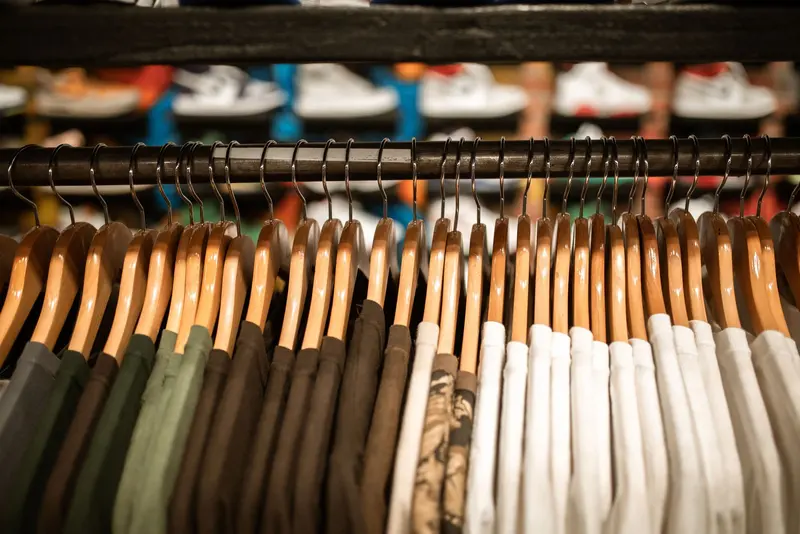
Build a business casual capsule around the office you actually attend: its rules, your working week and clothes that already fit. Start with a few compatible tops, trousers and shoes. Add a layer for cooler rooms or more formal meetings only where it serves a purpose. There is no universal number of pieces you must own.
A capsule is simply a small set of clothes you can combine without starting from scratch each morning. It does not require replacing your wardrobe, wearing only beige or buying a matching collection. The examples below are Qerano outfit-planning illustrations, not product tests or a claim that clothes improve career outcomes.
First, find out what “business casual” means here
C&A's guide includes shirts, polos, chinos and optional jackets, and treats jeans as context-dependent. That is one retailer's interpretation of the dress code. Your employer's requirements and the particular occasion take precedence. [1]
Ask a practical question before your first day: “For an ordinary office day, are dark jeans and plain sneakers acceptable, or should I wear trousers and leather shoes?” If you will meet clients, ask about those days separately. A relaxed internal meeting and a formal external appointment may need different clothes.
Look at what people in comparable roles wear, but do not treat a photograph from a company party as the office rule. Protective clothing, uniforms and safety footwear are separate requirements that this guide cannot replace.
Jeans: if allowed, begin with a pair you can wear comfortably and keep in good condition. A plain dark finish is one restrained option, not a rule for every workplace. Sneakers: check permission before treating them as office shoes; a clean minimal pair may suit one office and be inappropriate in another. No blazer: a shirt or polo with suitable trousers can be your starting combination where the code permits it. A jacket is not compulsory merely because a capsule list includes one.
Assign a job to each piece
Open your wardrobe before opening a shopping page. Try the clothes on together. Sit, reach and walk in them: a shirt that looks fine standing still may pull when you sit at a desk. Check condition, fit and whether you can care for each item with your actual routine.
| Role in the wardrobe | A possible starting piece | Keep or add it when |
|---|---|---|
| Everyday base | Chinos or other permitted trousers | They fit, work with several tops and suit ordinary office days. |
| Regular top | Plain shirt, textured shirt or polo | The neckline, sleeves and level of formality fit your office. |
| Alternative bottom | Another suitable pair; jeans only if allowed | It gives you a usable change while the first pair is unavailable. |
| Cooler-day layer | Fine knit or cardigan | It works over your shirts and fits the room temperature. |
| More formal option | A suitable jacket | Your meetings call for it and it works with the existing trousers. |
| Office footwear | Shoes accepted by the workplace | They are comfortable for the day and compatible with the clothes. |
This is a role table, not a purchase checklist. One item may do several jobs. Conversely, someone with frequent client meetings may need more formal options than someone who attends a casual office twice a week.
Choose colours by checking actual combinations. Navy or charcoal trousers, lighter shirts and one muted accent can be a workable example. If your existing wardrobe uses brown and olive, build around that instead. A theoretical palette is little use if the only shirt you like wearing sits outside it.
Test a working week, including laundry
Lay out outfits for the days you expect to attend, then check what will be available after wearing and washing. Do not calculate dozens of “possible outfits” by multiplying every top by every bottom: some combinations will not fit the occasion or feel right together.
The following week is fictional, for an office that accepts polos and chinos. It illustrates rotation, not a dress-code standard or an instruction to rewear clothing that needs washing.
| Day / situation | Example combination | Availability question |
|---|---|---|
| Monday, ordinary office | Light shirt + navy trousers + office shoes | Is the shirt ready rather than still drying? |
| Tuesday, ordinary office | Muted polo + different trousers + same suitable shoes | Does the polo fit the office rules? |
| Wednesday, external meeting | Fresh shirt + appropriate trousers + jacket if required | Has the meeting's formality been checked? |
| Thursday, cooler room | Available shirt + fine knit + trousers | Does the layer sit comfortably over the shirt? |
| Friday, ordinary office | Another available permitted top + trousers | Is there a clean fallback if laundry was delayed? |
Add shirts or another bottom when the real rotation exposes a gap. Do not buy an extra jacket while the daily problem is having no clean suitable top. Our care-label guide helps you check washing and drying before relying on a piece for the next morning.
Change the layer before rebuilding the wardrobe
In warmer weather, choose a permitted top and trousers comfortable for the conditions; check how the fabric looks in ordinary light, including whether it becomes more transparent than you want. Shorts and sandals need explicit workplace permission. A summer label does not grant it.
For colder weather, try the knit or cardigan over your existing shirts and check that your coat accommodates the combination. You may arrive in a warm coat but spend the day in a heated room. Plan the indoor outfit as well as the journey. Where weather requires different shoes, decide whether to change at the office and where to store the other pair.
Avoid assigning a fixed washing schedule to every fabric. Follow the actual care instructions and condition of the garment. Leather-shoe care is another separate material decision; a generic clothes routine is not a shoe-care method.
Buy only after an outfit fails a useful test
Before buying, complete this sentence: “I need ___ because I cannot currently dress for ___ with clothes that fit and are available.” If the answer is just “capsules are supposed to have one,” leave the item off the list.
Try a candidate with the clothes it must work alongside. Check whether you can move comfortably, whether the care fits your routine and whether it solves the identified gap within your own budget. A sale price does not make an unused piece useful. Start with one missing job and reassess rather than purchasing a complete set at once.
The same task-first approach applies to a small grooming kit: keep what you actually use. For the wider collection of everyday practical guides, visit Lifestyle.
Taking that wardrobe on a work trip? The seven-day packing list separates travel clothes from packed outfits and adjusts the plan for laundry.
Sources
- C&A. Business Casual: der Dresscode für den Büroalltag. Publication date not provided. Accessed: 2026-10-07.
Keep exploring
A little more perspective.
How to Read Clothing Care Labels Before Laundry Day
Turn clothing care labels into a wash, drying and ironing plan. Understand the main symbol families and use worked examples without guessing from fabric alone.
5 min read ↗
How to Care for Leather Shoes: Start With the Finish
Choose a shoe-care routine by material. Practical steps for smooth leather, separate suede care and drying wet shoes, with clear limits on home treatment.
4.5 min read ↗
Men’s Grooming Kit Essentials
Build a practical grooming kit around your beard and hair routine. Compare useful attachments, cleaning requirements and full purchase costs before buying.
4.5 min read ↗